Thimerosal

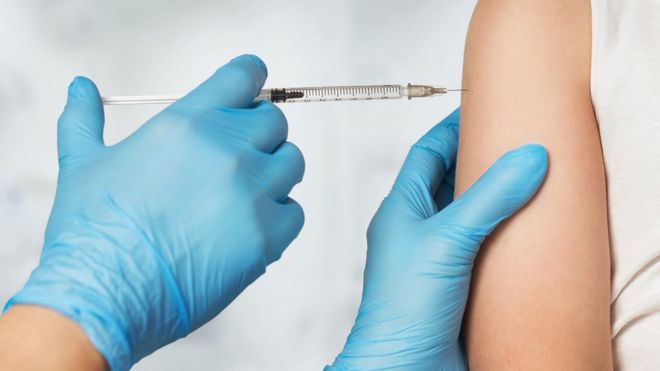
Thimerosal is a vaccine preservative that is used to prevent germ growth when vaccines are delivered. Thimerosal is considered safe to use in vaccines (at its low doses) but can cause slight side effects which include redness and swelling.

Thimerosal contains mercury. There are two kinds of mercury- methylmercury and ethylmercury. Methylmercury is a natural form of mercury which is found in some fish that can cause harm at high levels. Methylmercury is kept out of most everything because of its toxic effect. Ethylmercury is safer and exits the body quicker than methylmercury. Ethylmercury is the type of mercury used in Thimerosal.

See the source image
thimerosal

Thimerosal and Autism

The CDC conducted an experiment to see if prenatal and infant exposure to Thimerosal led to autism development in the children. The experiment included 1,008 child participants born between 1994-1999. The children were monitored (vaccine records, etc.) starting at birth until they were 2 years old. The data was then collected when the children were 6-13 to see if they had developed autism. Vaccination records of the mother (while she was pregnant) and the child were taken.

The conclusion of this study found that vaccines containing Thimerosal did not cause an increase in autism development. Ethylmercury (in Thimerosal) exposure stayed pretty constant throughout all of the children participating.

See the source image
meme

I’m going to assume that anti-vaxers are the ones who started this rumor about Thimerosal being linked to autism. This rumor then led to many studies being conducted that all led to the same conclusion that Thimerosal does not cause autism. Vaccines go through such a long process to prove their safety and get approved by the top safety organizations. I am going to trust the millions of people who study vaccines that are way smarter than me, trust the evidence in the studies, and continue to get vaccinated.
Vaccine approval

Vaccines go through a very lengthy process to get approved. This is because we want to make sure it is completely safe and effective before we give it to patients. There are many different stages that vaccines go through to get approved, these include the exploratory stage, the pre-clinical stage, and the clinical development stage.

The exploratory stage is first. This stage includes the initial lab research in which scientists try to find the antigen that is going to prevent the disease they’re creating the vaccine for. This stage normally lasts 2-4 years.

See the source image
lab

The next stage is the pre-clinical stage. In the pre-clinical stage they use cell cultures and animals to test the safety and efficiency of the vaccine. This stage is important to predict how the vaccine is going to react in humans, and help find the safest way to deliver it. If the vaccine isn’t efficient or safe the creators of the vaccine can change it and try again. This stage normally lasts up to 2 years but most vaccines don’t pass the tests to move on past this stage.

The clinical development step of the vaccine approval process has 3 stages. In stage 1 the vaccine is tested on a minute group of adult humans to test for safety and efficiency. If this stage goes well the vaccine moves on to stage 2. In stage 2 hundreds of humans are tested. In stage 2 the placebo technique is also used (where not everyone gets the vaccine and then you compare the results of the 2 groups). This stage is also used for more specific purposes such as: testing the dose amount, delivery type, etc. Stage 3 includes thousands of humans and uses the placebo technique, while also being double blind (neither the doctor or the patient knows if they got the placebo or the real vaccine). This stage is done to test efficiency once again but to also see if side effects arise in these bigger groups.

See the source image
vaccine

Mosaico

Mosaico or, HPX3002/HVTN 706 is a new and ongoing HIV vaccine trial. This trial is testing HIV negative adult men aged 18-60 who have sex with men and transgender humans. This trial is being done on men who have sex with men or transgender humans because in the United States 2/3 of the HIV diagnoses are coming from gay or bisexual men. This vaccine includes pieces from many of the HIV subtypes. Because they are using a subunit vaccine there will be an immune response to that specific HIV protein and memory cells will be generated to protect the body any time it sees that protein. Each participant in the trial will either receive the vaccine or the placebo. This trial will include 4 vaccines given over one year; 2 of the vaccine will be transferred to the patient on a common cold virus and the other 2 vaccine consist of HIV envelope proteins. This vaccine was already found to create an immune response to HIV in humans and monkeys. This vaccine is still in the process of being tested.

See the source image
mosaico

It would be a truly life changing event if a HIV vaccine was developed. HIV is such a devastating vaccine to people all over the world and a vaccine to this virus has proven very difficult to make. I hope this vaccine is made in my life time so that I can live to see it cure all of the infected people.

Polio elimination

Polio is caused by a virus that can get into a child’s brain and spinal cord to cause them to become paralyzed. The virus can leave a child paralyzed for the rest of their life and can even lead to death. Some people that get Polio will be asymptomatic as well. But, even the children that seem like they have gotten over the virus can become paralyzed years later. Luckily, there is a Polio vaccine. Because of the vaccine, Polio has been eradicated in the United States. We are still working on eradicating this terrible disease worldwide, but we are very close.

Image result for polio
Polio

Strains

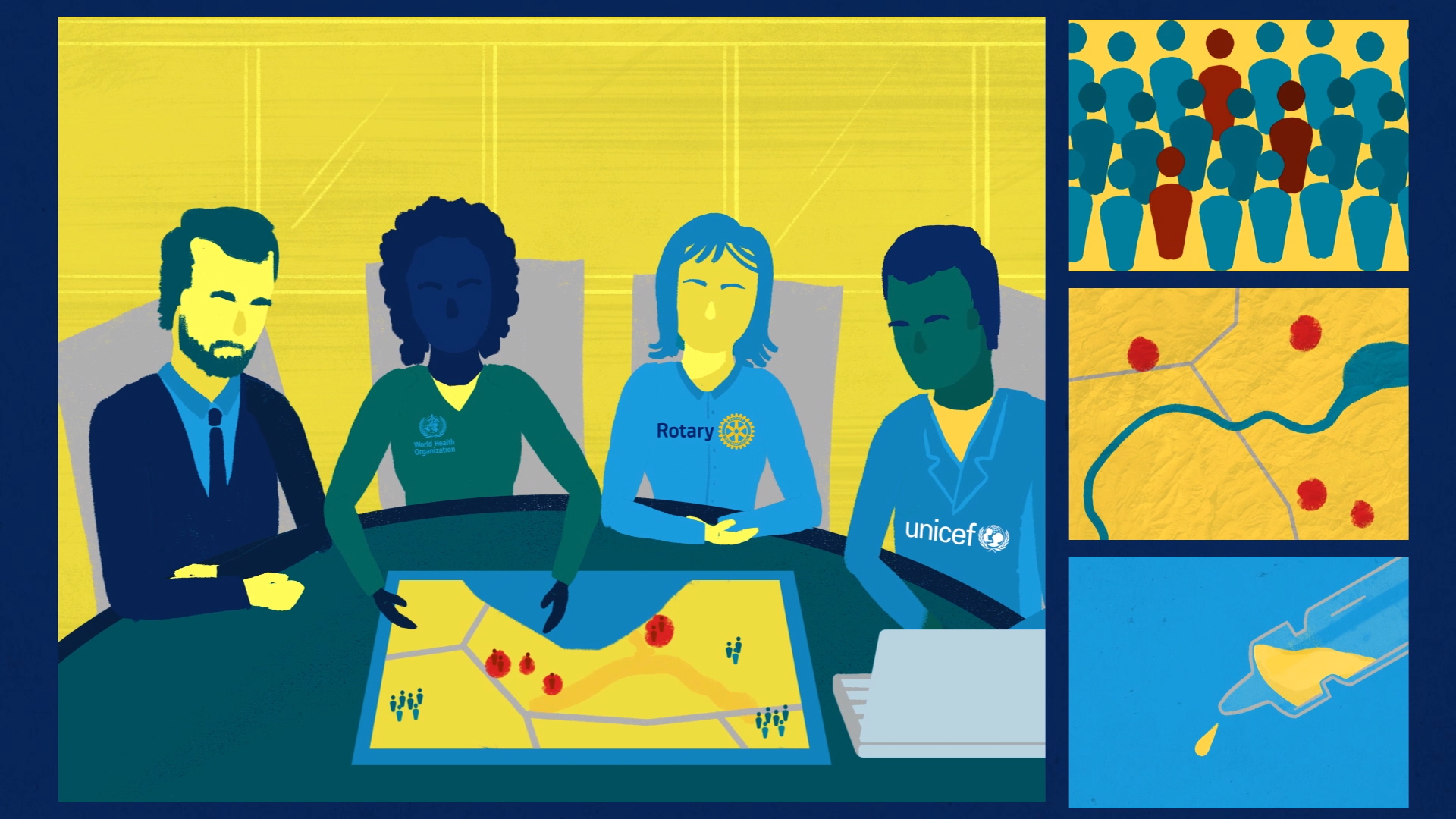
There are 3 strains of Polio: type 1, type 2, and type 3. Type 2 was eradicated in 2015. Type 3 was just considered eradicated in October by WHO. Now, type 1 is the only type that hasn’t been eradicated; is this type is eradicated it will be the second disease erased off the earth. Type 1 is still being found in Afghanistan and Pakistan. Polio is expected to be eradicated by 2023.

Oral vaccine

3 years ago the polio vaccine was developed into a new oral treatment (OPV). This change was made because Type 2 had been eradicated, so they took the treatment for Type 2 out of the vaccine. Because the oral treatment is a weakened version of the Polio virus it can still rarely cause Polio in children. This is another reason Type 2 Polio was taken out of the vaccine: they didn’t want to risk infecting children with this eradicated type.

Image result for oral polio vaccine
OPV

I think it is amazing that Polio has almost been eradicated. It is crazy that the world went from millions of child deaths from this virus to a few. Eradicating this virus would be a major breakthrough! I think it will be difficult to eradicate this last Polio strain because it is in a dangerous part of the world that could be hard to reach especially during times of war. Also, because of anti-vaxers these days I don’t think there will ever be 100% of vaccinated children.

Asthma

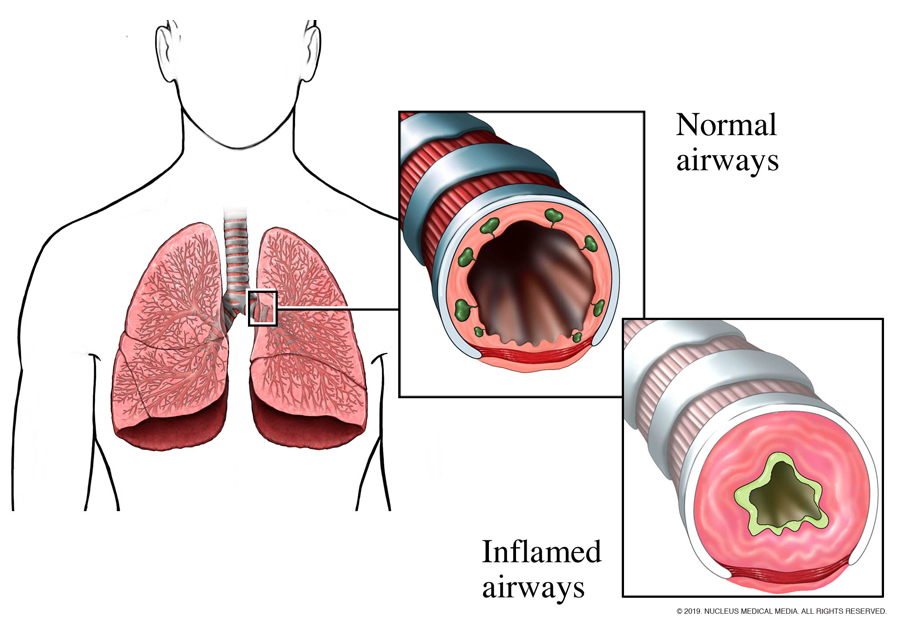
Asthma is a chronic disease that affects the airway. Asthma causes the airway to become inflamed. This inflammation can lead to narrowing and swelling of the airway which makes it hard to breathe. Other asthma symptoms can include coughing, wheezing, and chest discomfort. The cause of asthma isn’t known but doctors think that a strong immune response to an allergen is what makes it flare up. Asthma is different for everyone that has it; one person might have an asthma attack because of one allergen while another person has an asthma attack because of a different allergen.

Airway narrowing in an asthma attack.
asthma

Acquired immune response

First the allergen enters the body. T helper cells bind to MHC class 2 on an APC that displays the allergen. Because of this detection of the allergen, the body produces IgE. IgE is the antibody your body produces when it is oversensitive to an allergen, it is what tells cells to cause the allergic reaction. T helper cells also release IL-4, IL-5, and IL-13 which cause inflammation (in the airway in this case). This is the point where medications would have to be provided to suppress these effects.

Treatment

Treatment for a patient with asthma normally consists of daily medication to lessen the symptoms and prevent a severe reaction. A doctor also prescribes an inhaler to use when the symptoms get worse. The medication in an inhaler causes the muscles in your airway to relax so that you can breathe better.

In emergency cases you might be given IV medication to quickly decrease inflammation. You could also be given oxygen. In severe cases you might have to have a tube put in your throat that will breathe for you until swelling goes down in your airway.

Image result for oxygen administered in hospital
oxygen

Clinical Trial

Doctors have started clinical trials for a new combination of medications that would go into one inhaler for those with more sever asthma: 3-in-1 therapy. This would include 3 different medications in one inhaler. This is a need for those that have more severe asthma because normally they would have to have multiple inhalers with different medications in them. This would also be a more cost effective option.

The study was done on 2500 patients with asthma from 17 countries, all in the age range of 18-75. Each patient was randomly assigned either a 2-in-1 inhaler or a 3-in-1 inhaler. Both clinical trials showed that the patients taking the 3-in-1 treatment were able to exhale more air which showed that their airways weren’t as narrow as those that took the 2-in-1 therapy. The 3-in-1 therapy patients also showed less asthma attacks than the 2-in-1 therapy patients. This medication therapy is still being tested and has not yet been approved by the FDA to give to patients in the United States.

Image result for 3 medications in 1 inhaler
inhalers

Speaking as someone who had asthma as a child, it would be amazing if new treatments were developed! Asthma is a terrible condition and is also confusing because doctors don’t know exactly what causes it. Just on the news today it was reported that a teenage TV star died of a major asthma attack. So, I am thankful for these doctors that are breaking medical history and creating new medications that could save lives.

Tuberculosis

Mycobacterium tuberculosis is a bacteria that can cause disease in the lungs (but, this bacteria is also present in a lot of people and doesn’t cause TB). Tuberculosis is spread by droplets in the air. Some signs and symptoms include coughing, a fever, feeling weak, chest pain and weight loss. According to the World Health Organization, tuberculosis is one of the top 10 causes of death in the world. One of the big issues with tuberculosis is that it is becoming antibiotic resistant.

Image result for tuberculosis
TB

Diagnosis and treatment

An Xpert MTB/RIF test is a sputum test used to check for tuberculosis as well as antibiotic resistant tuberculosis. An x-ray can also be done but is seen as less accurate.

Treatment for tuberculosis is doable, but it takes a while. Treatment persists for 6 months and includes a mix of 4 drugs. 4 drugs are used to try to prevent that case from becoming antibiotic resistant. If you are diagnosed with an antibiotic resistant tuberculosis, it can be harder to treat because the doctor would have to find different (and normally more potent/harmful) drugs that might not work as well.

NIX-TB

NIX-TB is the nickname given to a trial that is testing a new treatment for extensively drug resistant tuberculosis. A patient in Africa named Ms. Msimango weighed only 57 pounds when she started the trial for NIX-TB. 5 years after she started treatment, she was cured, and gained 46 pounds. This trial included 5 pills a day for a 6 month period. 109 people were enrolled in this study with a 90% success rate. In August the FDA endorsed the approach of this trial, but is it still currently being tested for effectiveness and safety.

A new vaccine?

Researchers have been testing a new vaccine that could prevent people from contracting tuberculosis. The vaccine is made up of proteins that causes an immune response in the recipient. The drug has been tested in Africa, Kenya, and Zambia on more than 3500 patients. Because some people who have Mycobacterium tuberculosis don’t get TB, the are trying to work off of this immunity. The trials have been successful so far but still need further testing for safety and success. It is going to be hard to get this vaccine out to the public because you have to pass an animal testing phase. According to a researcher on this trial, tuberculosis is a human transmitted disease so when the drugs are tested in animals it doesn’t always give the same response as it would in humans.

Image result for vaccine
vaccine

As stated above, tuberculosis is a world heath threat right now and it would be life changing for so many people if a new treatment, or especially a new vaccine could make its way into the public hands. This is one of the reasons I want to go into health care, because the healthcare field is constantly changing and there are so many life altering discoveries happening every day!

Syphilis

Treponema pallidum, or Syphilis, is a bacterial infection. Syphilis is most commonly spread through sexual interaction, but can also be spread anytime you come into contact with someones active sore. There are 4 possible stages of Syphilis: primary, secondary, latent, and tertiary.

Stages

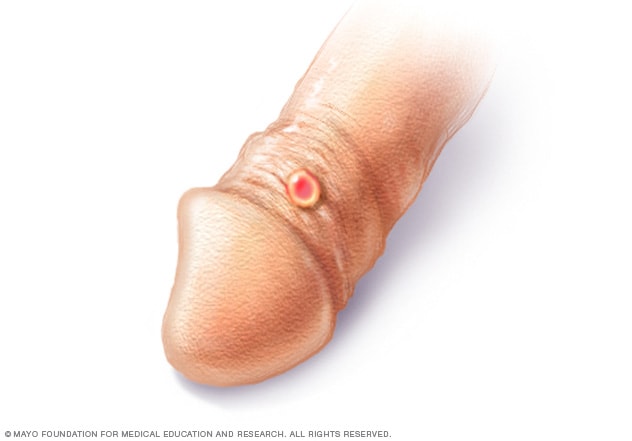
Primary Syphilis starts with a painless (normally) chancre sore at the site where the infection entered your body. Sores normally appear 3 weeks after you were exposed to the bacteria and will heal in about 3-6 weeks.

Image result for syphilis
Chancre sore

Secondary Syphilis occurs a couple weeks after your chancre sore heals. Secondary Syphilis is characterized by a rash that starts at your trunk and spreads to your whole body. Other symptoms that can follow include hair loss, muscle aches, fever, and a sore throat. These symptoms take a couple weeks to a year to go away.

Image result for syphilis
rash

Latent Syphilis occurs when you are not treated properly for your infection. Latency is when the infection causes no symptoms. You can stay in the latent stage for years or go into the tertiary phase.

Tertiary Syphilis (3rd stage) can possibly happen to people who were not treated for the infection. This stage can cause damage to your brain, nerves, eyes, heart, bones, liver, etc.

Image result for syphilis meme
tertiary

Congenital Syphilis

Congenital Syphilis occurs when a pregnant woman is infected by Syphilis. Transmission to your baby can happen when you deliver the baby or through the placenta before birth. Congenital Syphilis can cause symptoms in the baby ranging from no symptoms, a rash covering the body, deafness, premature birth, stillbirth, and death after birth.

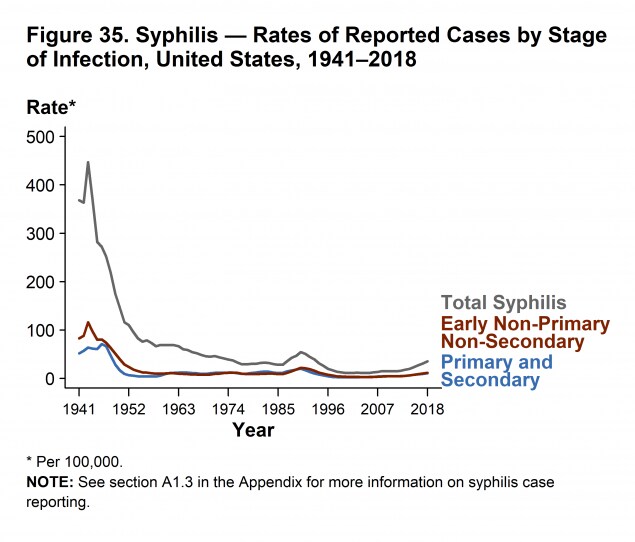
CDC statistics

See text for description.

According to the CDC, Syphilis rates since 1941 have greatly decreased. But, the the rates have started to rise again since 2001. This rise is mainly because the cases of Syphilis among men (especially those who have sex with other men) have increased.

Treatment and prevention

Syphilis is normally treated with a Penicillin shot. Your doctor will probably also require blood checks after your treatment to make sure you are completely healed so that the infection can’t cause further damage. It is also important to tell your sexual partners if you tested positive for Syphilis so that they can get tested.

Prevention of Syphilis and most STD’s include abstinence, being monogamous, and effective communication with your sexual partners. Using a condom can be helpful if it covers the site of the sore.

My opinion on STD’s is that if you’re willing to be vulnerable/comfortable enough with your partner to have sex then you should be comfortable enough to talk about STD’s. Preventing an STD is as simple as a conversation. Also, if you’re responsible enough to have a baby then you should be responsible enough to make sure that your baby remains healthy and doesn’t contract a life threatening disease that you can prevent.

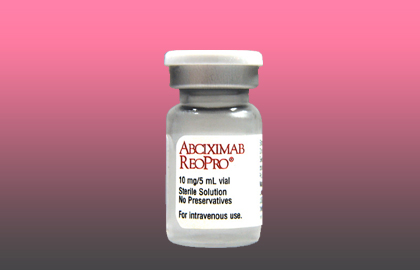
Abciximab

Abciximab is a type of monoclonal antibody. Monoclonal antibodies are artificially made antibodies that are made to imitate our natural immune cells. So, monoclonal antibodies help the acquired immune system. Some monoclonal antibodies can even target cancer cells so that the immune system knows to kill them. Abciximab is a blood thinner (given through an IV) that is used in heart procedures, especially coronary artery procedures. It prevents platelet from sticking together and forming life threatening clots.

Image result for abciximab
Abciximab

Abciximab has an impact on your immune system, like most drugs do. Part of the binding process occurs on the Fab region of an antibody which means that this drug impacts the acquired immune response. Abciximab is a glycoprotein inhibitor, it attaches to the glycoprotein receptor on the platelet cell. This works to inhibit the cells from sticking together.

Side effects

Side effects include

  • Nausea
  • vomiting
  • bleeding or irritation at the injection site
  • bruising, swelling, or oozing at the injection site
  • uncontrolled nosebleed
  • a fast or irregular heartbeat
  • unnatural colored urine
  • black or bloody stool
  • coughing up blood
  • more severe side effect: severe bleeding, chest pain, vision problems, confusion, slurred speech, weakness on one side of the body
  • allergic reactions with these symptoms: rash, itching, swelling, dizziness, trouble breathing

Many of these side effects are related to the fact that this drug is normally used for heart procedures and blood clotting. For example, this drug prevents blood clots so if someone taking this drug and gets injured it could cause uncontrollable bleeding. Another example is that if you experience weakness on one side of the body you could be having a stroke which means you have a blood clot in your brain that this drug did not prevent.

Image result for side effects
side effects

You are not supposed to take this medication if:

  • you have had (or currently have) internal bleeding or surgery within the last 6 weeks
  • if you have had a stroke within the past 2 years
  • if you have a brain tumor
  • blood vessel problems
  • high blood pressure
  • inflammation of the blood vessels
  • low blood platelet

You are not supposed to take Abciximab if you have these conditions because many of them will cause uncontrolled bleeding because of the non blood clotting factor of this drug. Drugs like Abciximab and other monoclonal antibodies are very important to our survival and our stimulation of the immune system. Monoclonal drugs can help keep up what your natural immune system might be lacking. The immune system is one of the most important parts of the body because it is what keeps up from getting sick, and what helps fight off infections; so these drugs are integral to some patients who have a serious condition and need extra immune system help. It is crazy though, how many side effects and exceptions there are to this drug as well as most other drugs. But, side effects are worth dealing with if the drug helps to save someones life.

Outbreaks

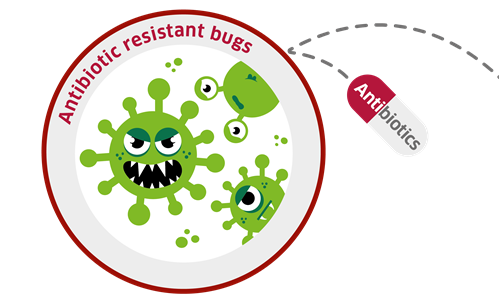
An outbreak occurs when a greater number of cases (of a certain disease) occurs than thought to be normal in a community/certain time. An outbreak can stay in one city or it can spread to multiple countries. Some outbreaks (including the ones in my blog) can be avoided/decreased by using proper sanitary guidelines, and taking antibiotics appropriately (so that drug resistant bacteria outbreaks don’t occur).

Image result for an outbreak
outbreak

Salmonella outbreak

In September there was a Salmonella outbreak in fresh papayas that had been imported from Mexico. There were 81 cases across 9 states with 27 hospitalizations, and no deaths. Many different aged people were affected, with the median age being 62. This makes since because older people are more likely to contact illness due to their degenerating immune system. 65% of the people contacted with this illness were of Hispanic background. This makes since because the papayas were imported from a country with many inhabitants coming from Hispanic decent.

The strain was called Salmonella uganda. Symptoms of Salmonella include fever, diarrhea, vomiting, and stomach cramps. Testing of the bacteria found that it was antibiotic resistant to streptomycin and sulfisoxazole. This is strange because normally people can get over Salmonella with no antibiotics, so this means that some people are misusing antibiotics to treat this infection. This is again why using antibiotics correctly is so important! Now if an immunocompromised individual contracts this infection and needs antibiotics because their body can’t fight it off, they won’t be able to use streptomycin or sulfisoxazole (which could have been used to save their life before).

Image result for salmonella uganda
papaya

Shigella outbreak

In October of 2018 an outbreak of Shigella sonnei occurred in a retirement home in Vermont. There were 75 cases found; of these 75 cases, 6 were hospitalized and 2 died. The middle age was 80; this makes sense because a retirement community normally has older individuals, and older people have a degenerating immune system that can’t fight off infection as well. In this case the predicted way of transmission was food-borne.

High-quality single nucleotide polymorphism analysis found that the bacteria was multi-drug resistant. The bacteria was resistant to trimethoprim-sulfamethoxazole, ampicillin, and ceftriaxone. It also had decreased susceptibility to azithromycin. These are 4 miraculous drugs that now no longer will work to save patients that contract this infection due to someone misusing these antibiotics. This is a real life example of how not you finishing your antibiotic, saving your antibiotic, or taking an antibiotic for a virus can cause antibiotic resistant bacteria that will kill people.

Image result for Shigella sonnei
Shigella

NDM-1 plasmid

A plasmid is a small circular segment of DNA that exists in a cell. Plasmid’s replicate independent of the cell they are in and have their own genes. The plasmid’s genes then become a part of its host’s genes. The NDM-1 plasmid contains a resistance gene against all B-lactam antibiotics except for one, therefore making the bacteria it occupies resistant to most B-lactam antibiotics. This plasmid was originally found in Klebsiella pneumonia.

Image result for plasmid
plasmid

Should we be afraid?

We should be afraid of this plasmid because it means that if you get an infection from a bacteria that contains this plasmid, it limits the choices of antibiotics you can take to take to kill the bacteria. This is also dangerous because this plasmid can transfer the antibiotic resistant gene to other bacteria. For example, a bacteria in your body could transfer this gene to the naturally occurring E.coli in your gut. Now, if that E.coli ever caused an infection in your body, it would also be antibiotic resistant. You then would have a much harder time finding an antibiotic (if you could even find one) to kill the bacteria that we would normally have a miraculous antibiotic for.

Image result for antibiotic resistance
resistance

Are there other dangerous plasmid’s out there??

In 2017 a new NDM-5 plasmid was discovered in China. This plasmid was originally found in E.coli. This plasmid was then transferred to Klebsiella Pneumonia (which is where NDM-1 was found). These 2 bacteria resistant strains were found in the same patient. This plasmid makes their host bacteria resistant to Carbapenem antibiotics. 11 resistant genes, and 7 virulence genes were found in this plasmid. That’s insane!

This is alarming because people will die if they don’t get the antibiotics they need. So, if a wide range of antibiotics will now not work on someone, it can be life threatening. It takes years to make new antibiotics. We can’t stop what has already occurred but we can stop more from appearing. We need to start taking antibiotics correctly and spreading awareness about antibiotic usage. This is a huge public health issue that could kill billions of people if we don’t do something about it.

The effects of antibiotics

Antibiotics are medications that are supposed to help our body fight off infections, but are they causing harm during this process as well? As antibiotics are fighting off bad bacteria in our body they can also kill the good bacteria in our microbiota. This can be bad because our microbiota is what helps keep us healthy and helps us fight off infections.

How antibiotics are damaging our microbiota

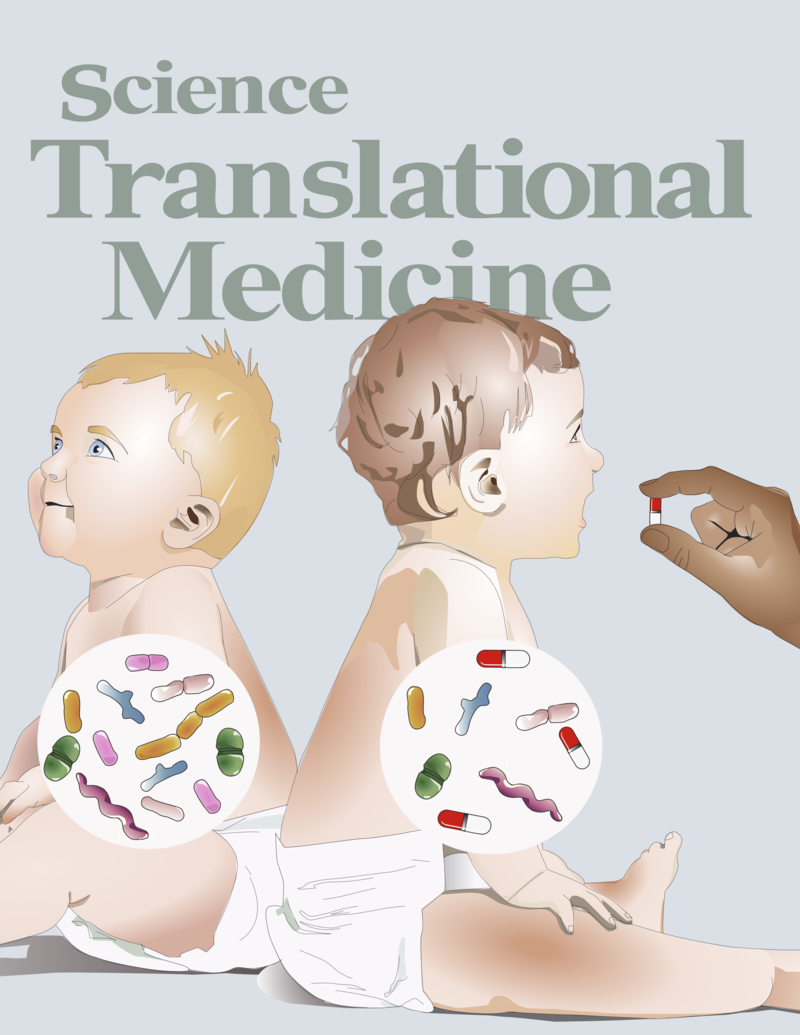
In 2008 a study was done on 3 healthy individuals. The individuals were all given an antibiotic to see what the effects were on the microbiota. The study concluded that the antibiotic killed some good bacteria as well thus reducing the diversity of their microbiota. Some of the good bacteria killed did show back up, but some did not. The microbiota has a big role in our immune system so when it is interrupted (like with antibiotics) it can result in the development of autoimmune diseases and allergies.

A study with mice showed that when a mother has a disturbed microbiota and passes it on to her child, her child develops that same microbiota which can lead to gut inflammation.

Long story short: don’t take antibiotics unless they are needed! Antibiotics are not something that you can just play around with and use irresponsibly. Antibiotics were made as life changing drugs and I think people need to realize that antibiotics are miraculous drugs that should be taken seriously. Hopefully when people see that antibiotics do have some bad effects (on your microbiome, etc.) they will start to take them more conservatively.

Image result for antibiotics and the microbiome
antibiotics

Other side effects that can arise from taking antibiotics

Many antibiotics cause common side effects like nausea, vomiting, upset stomach, and diarrhea. This side effects are common because any foreign medication you put in your body is going to cause your body to react.

Other more severe side effects can arise from abusing antibiotics, or taking very strong antibiotics. This sequelea can include increased risk for infection and an opportunity for bad bacteria to take over. Taking Clindamycin for example often leads to C. diff infections. C. diff is a natural bacteria in our body but when you take antibiotics that kill the good bacteria in our gut, this can cause an environment to let C.diff take over.

As I said in my last blog, prolonged antibiotic use can lead to the production of antibiotic resistant bacteria. But, not only do people prolong their use of antibiotics but they also keep their old antibiotics, use someone else’s, or don’t finish their prescription. Bad side effects can also come from these methods of abusing antibiotics. For example, if Tetracycline is taken after it is expired it can cause kidney damage. Or, if you don’t finish your prescription, antibiotic resistant bacteria can take over and cause an infection that doctors can’t cure.

So, take antibiotics like your doctor instructs you to! If you follow your doctors orders it can lead to less side effects and less production of antibiotic resistant bacteria.

Image result for side effects
side effects