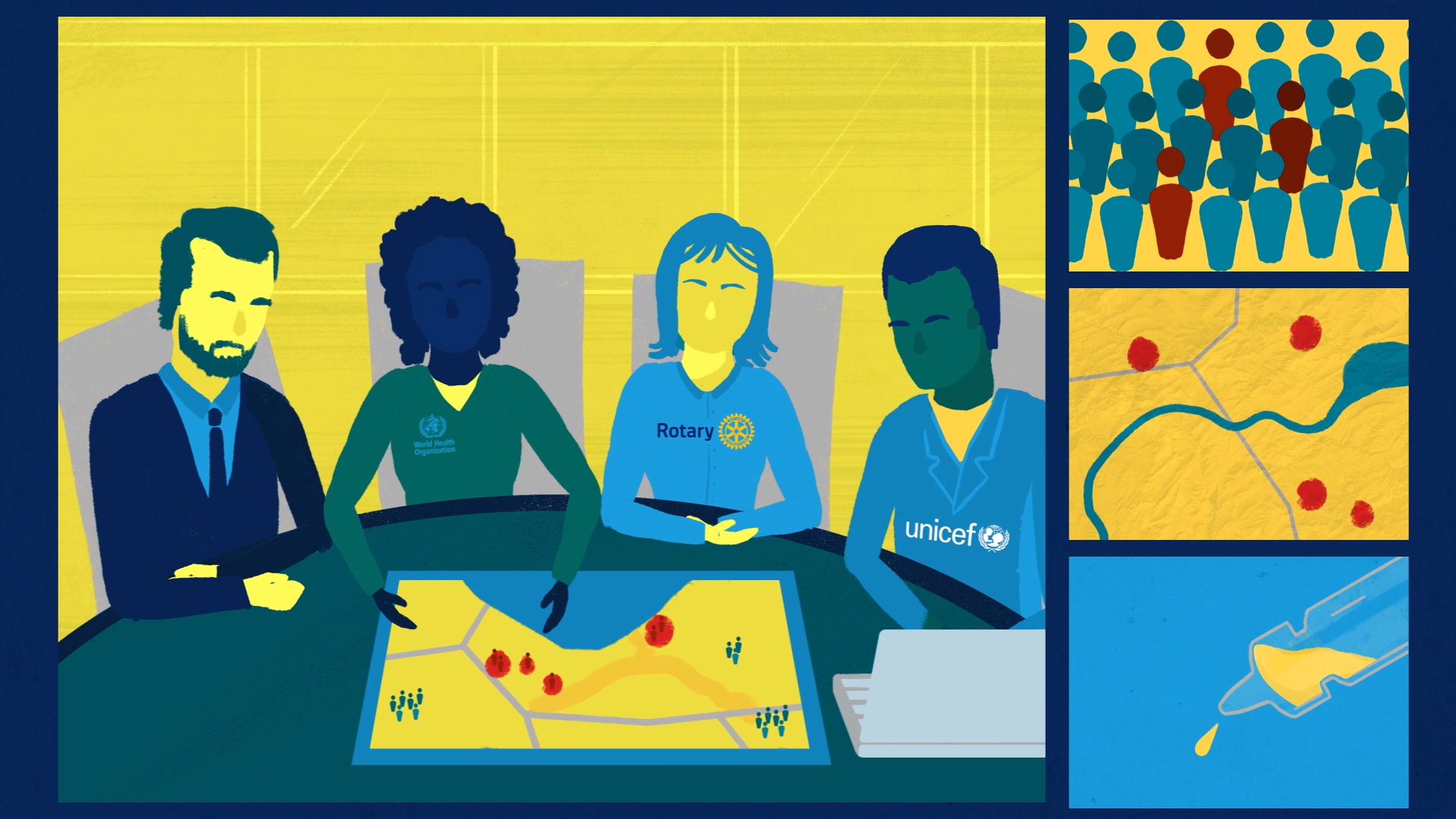
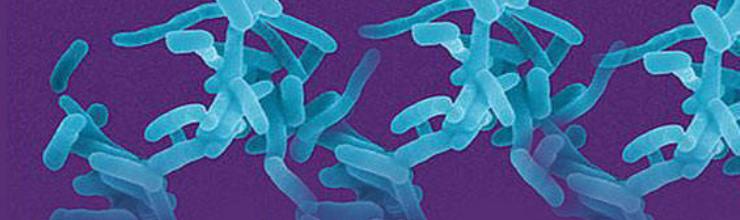
An outbreak occurs when a greater number of cases (of a certain disease) occurs than thought to be normal in a community/certain time. An outbreak can stay in one city or it can spread to multiple countries. Some outbreaks (including the ones in my blog) can be avoided/decreased by using proper sanitary guidelines, and taking antibiotics appropriately (so that drug resistant bacteria outbreaks don’t occur).
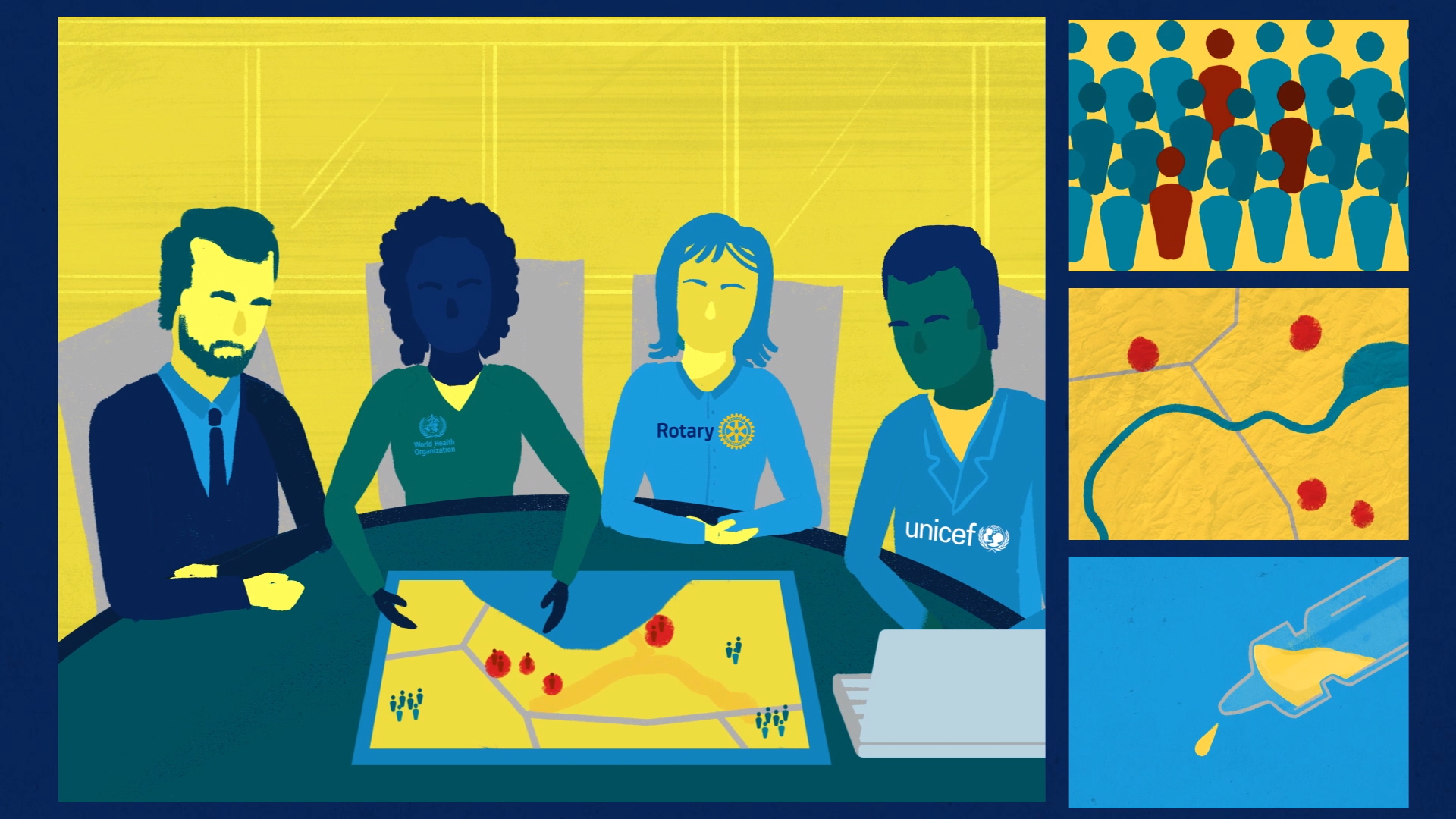
Salmonella outbreak
In September there was a Salmonella outbreak in fresh papayas that had been imported from Mexico. There were 81 cases across 9 states with 27 hospitalizations, and no deaths. Many different aged people were affected, with the median age being 62. This makes since because older people are more likely to contact illness due to their degenerating immune system. 65% of the people contacted with this illness were of Hispanic background. This makes since because the papayas were imported from a country with many inhabitants coming from Hispanic decent.
The strain was called Salmonella uganda. Symptoms of Salmonella include fever, diarrhea, vomiting, and stomach cramps. Testing of the bacteria found that it was antibiotic resistant to streptomycin and sulfisoxazole. This is strange because normally people can get over Salmonella with no antibiotics, so this means that some people are misusing antibiotics to treat this infection. This is again why using antibiotics correctly is so important! Now if an immunocompromised individual contracts this infection and needs antibiotics because their body can’t fight it off, they won’t be able to use streptomycin or sulfisoxazole (which could have been used to save their life before).

Shigella outbreak
In October of 2018 an outbreak of Shigella sonnei occurred in a retirement home in Vermont. There were 75 cases found; of these 75 cases, 6 were hospitalized and 2 died. The middle age was 80; this makes sense because a retirement community normally has older individuals, and older people have a degenerating immune system that can’t fight off infection as well. In this case the predicted way of transmission was food-borne.
High-quality single nucleotide polymorphism analysis found that the bacteria was multi-drug resistant. The bacteria was resistant to trimethoprim-sulfamethoxazole, ampicillin, and ceftriaxone. It also had decreased susceptibility to azithromycin. These are 4 miraculous drugs that now no longer will work to save patients that contract this infection due to someone misusing these antibiotics. This is a real life example of how not you finishing your antibiotic, saving your antibiotic, or taking an antibiotic for a virus can cause antibiotic resistant bacteria that will kill people.


 Allyson's Mcro blog